Indian brands used to focus on getting more followers. Now, in 2026, the smart ones are focusing on trust. And that has changed everything about influencer marketing.
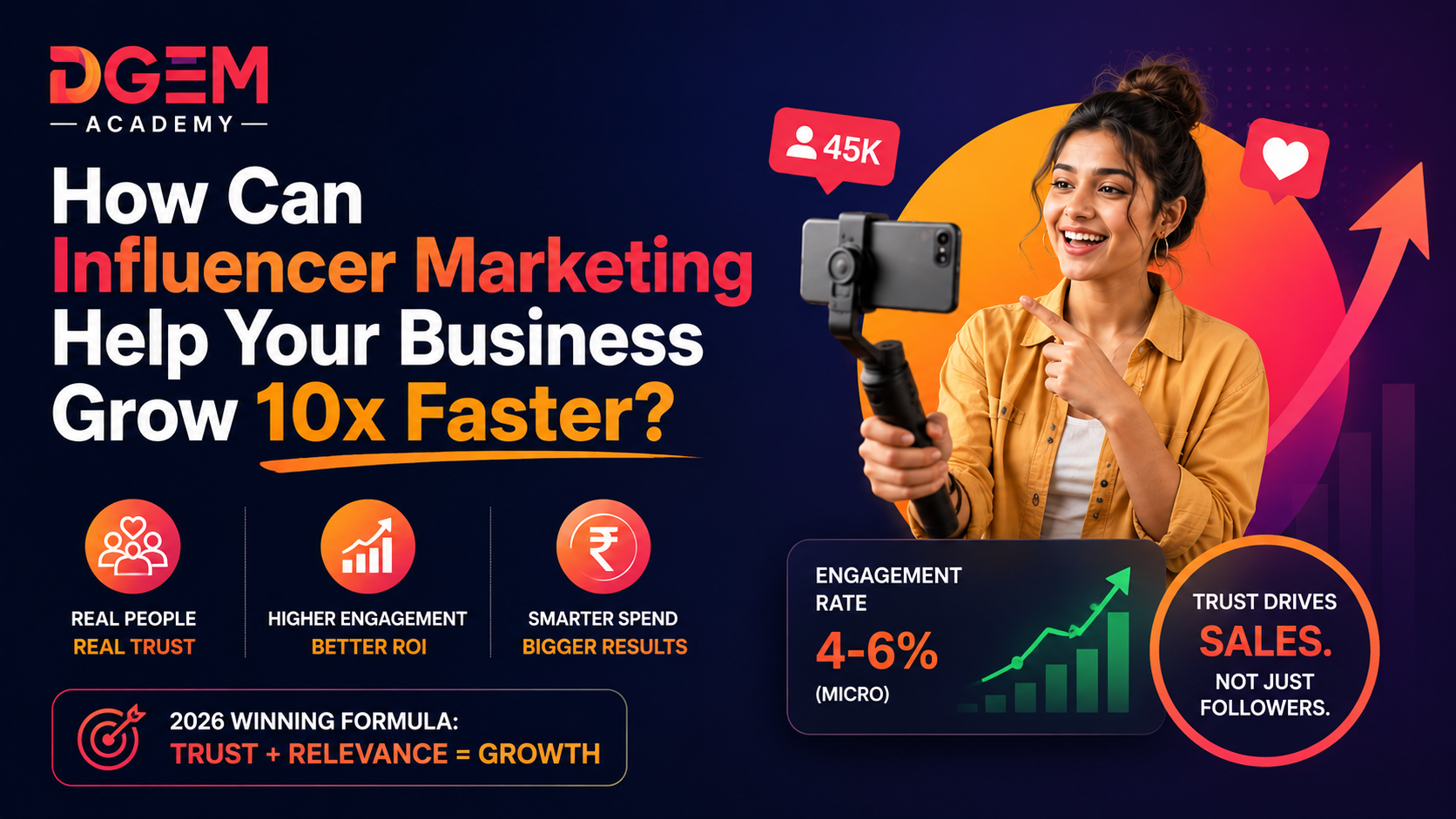
Here is the truth: a Bollywood celebrity with 10 million followers may not be as effective as you think. Their engagement rate is often more than 1%. On the other hand, a fitness influencer from Pune with 45,000 followers can get 4-6% engagement and actually drive sales. The difference is clear.
The Numbers That Indian Marketers Need To Pay Attention To
Influencers with followings like micro-influencers and nano-influencers are doing better than big influencers in many ways:
Engagement rates: micro-influencers get 3-6% engagement, while big influencers get less than 1%.
Return on investment: micro-influencer campaigns can give 5-8 times the returns as big influencer campaigns.
Cost per post: micro-influencers charge ₹8,000-₹80,000 per post while big influencers charge ₹4,00,000 or more.
Trust: 71% of Indian consumers trust recommendations from influencers. And this trust is highest when the influencer seems like a regular person.
A nano-influencer who recommends a skincare brand in Tamil or Marathi can seem more authentic than a celebrity endorsement.
Why Smaller Audiences Are Effective?
Big influencers focus on reaching large audiences. Micro and nano influencers focus on being relevant to their audience.
When someone follows a micro-influencer, it is often because they like the content the influencer creates. Like a home baker from Delhi who reviews kitchen tools or a chartered accountant from Bengaluru who gives tax-saving tips. The audience is not just watching; they really trust the influencer.
This trust can help your brand. That is why a brand that works with 200 micro-influencers can do better than a brand that works with one influencer. Both in terms of sales and cost.
A Simple Way To Hire Influencers For Your Brand
Step 1. First, define your customer. A fintech brand needs influencers who have an audience of salaried professionals aged 25-40, not just influencers with a lot of followers.
Step 2. Check the quality of engagement. Look at the comments. Real engagement is when people ask questions and have conversations, not just post emojis.
Step 3. Focus on influencers who create content in regional languages. Hindi, Tamil, Telugu, Kannada. Influencers who create content in these languages can get twice the engagement of influencers who only create content in English.
Step 4. Allocate your marketing budget wisely. Spend 70% of your budget on nano influencers to drive sales and 30% on big influencers to create brand awareness during launches.
Step 5. Track the metrics. Measure click-throughs, coupon redemptions, and story link taps. Not just likes.
Top 5 Questions About Influencer Marketing
Q1. Are micro-influencers for small brands?
Yes, they are. Because they are cheaper and can get engagement.
Q2. How do I find the micro-influencer?
Use platforms like Winkl, OPA, or Plixxo to find influencers who fit your niche, language, and engagement rate.
Q3. What is a good engagement rate?
Anything above 3% is good for micro-influencers. Less than 1% is not good, no matter how many followers the influencer has.
Q4. Should I not work with influencers at all?
Not necessarily. Use them for product launches or brand awareness. Not for driving sales.
Q5. How many micro-influencers should I work with?
Start with 10-20 in one niche. See what works and scale up.
Are You Ready To Create An Influencer Strategy?
At DGEM Academy, we teach data-driven marketing that works for the Indian market. Not just generic strategies.
Join our cohort and learn how to plan, execute, and measure influencer campaigns that can drive real results for your business.
Written by Meghal Shrivastav